

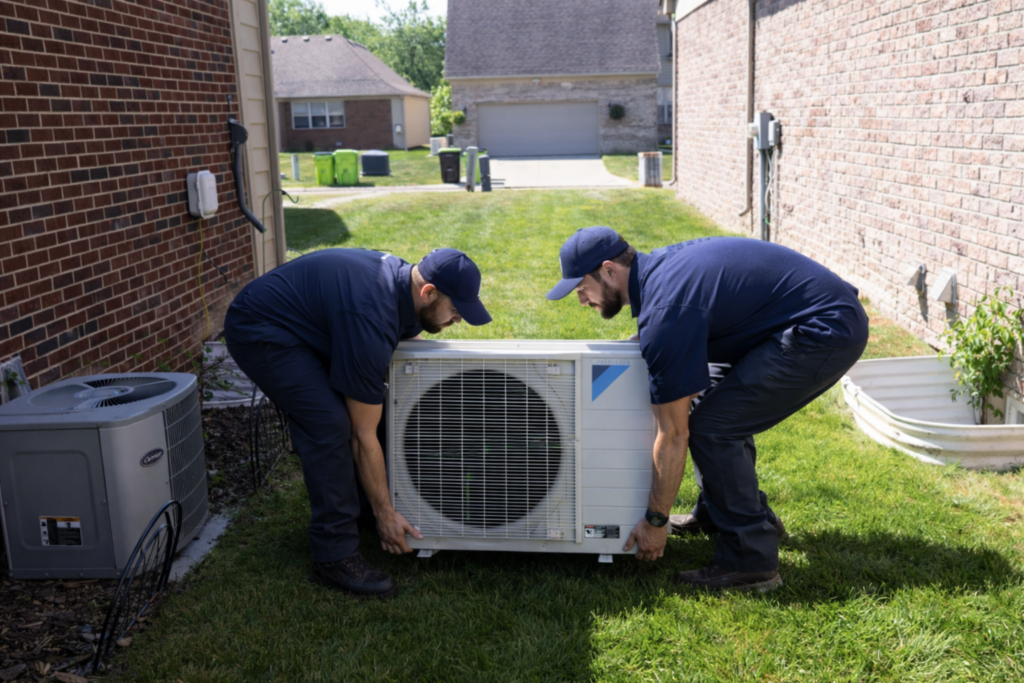
Heating and Air Conditioning systems are essential for maintaining comfort and indoor air quality in your home. Over time, even well-maintained HVAC equipment will begin to show signs of wear that can affect performance and efficiency. Understanding when replacement makes more sense than repair can help you avoid ongoing costs and energy waste.
How Long Do HVAC Systems Typically Last?
Most residential HVAC systems have a practical lifespan of 10 to 15 years, though some may function longer with regular maintenance. As equipment ages, components become less reliable and efficiency can decline. Factors such as system type, usage patterns, and maintenance history all influence how long your system will operate effectively. Older systems are more likely to need frequent repairs and may struggle to maintain consistent temperatures throughout your home.
Signs Your HVAC System May Need Replacement
Several warning signs can indicate your HVAC system is nearing the end of its useful life. These include rising energy bills, uneven heating or AC, frequent breakdowns, and unusual noises. If you notice your system running longer to achieve the same comfort level or if repairs are becoming more frequent and costly, it may be time to consider replacement. A professional inspection can help determine if your equipment is still operating efficiently or if a new system would offer better reliability and lower operating costs.
Energy Efficiency and Long-Term Cost Considerations
Aging HVAC systems often consume more energy to deliver the same level of comfort, leading to higher utility bills. Newer models are designed to meet higher efficiency standards, which can significantly reduce energy consumption. Upgrading to an energy-efficient system not only improves comfort but also lowers long-term costs and environmental impact. If your current equipment is more than a decade old, evaluating replacement options can help you take advantage of modern efficiency improvements. For more details on system upgrades and the benefits of energy-efficient replacements, visit our HVAC Installation and Replacement page.
Deciding Between Repair and Replacement
When facing frequent repairs or declining performance, it’s important to weigh the cost of ongoing maintenance against the investment in a new system. In many cases, replacing an outdated HVAC unit can provide greater reliability, improved comfort, and lower energy expenses over time. Consulting with a qualified HVAC contractor, such as Energy Savers Inc., ensures your system is thoroughly evaluated and that you receive recommendations tailored to your home’s needs and budget.
Deciding when to replace your HVAC system involves assessing equipment age, repair frequency, and energy efficiency. Professional evaluation can clarify whether continued repairs are worthwhile or if a new, energy-efficient system is the better long-term solution. To learn more about HVAC replacement options or to schedule a system assessment, contact Energy Savers Inc. or visit our HVAC Installation and Replacement page.